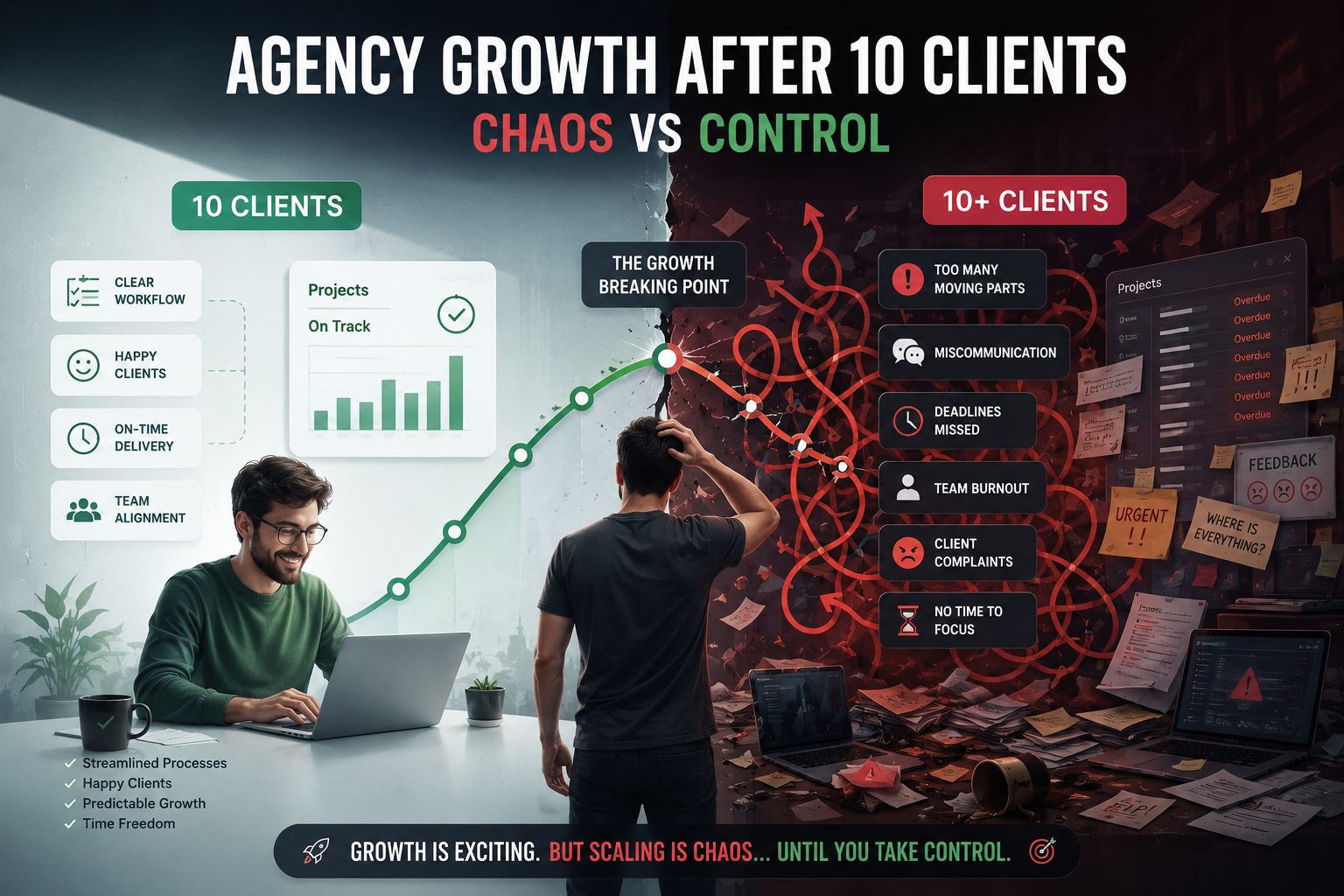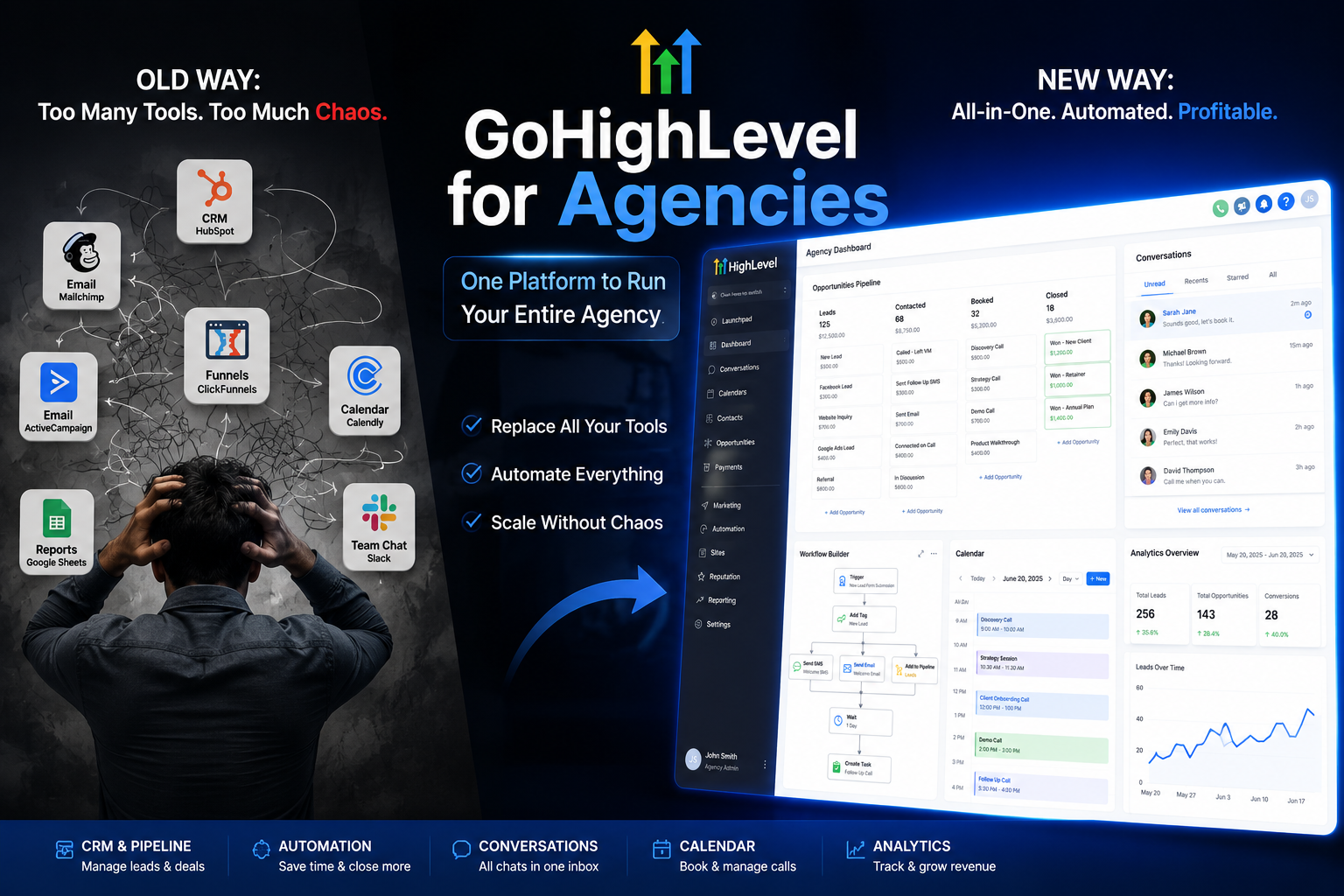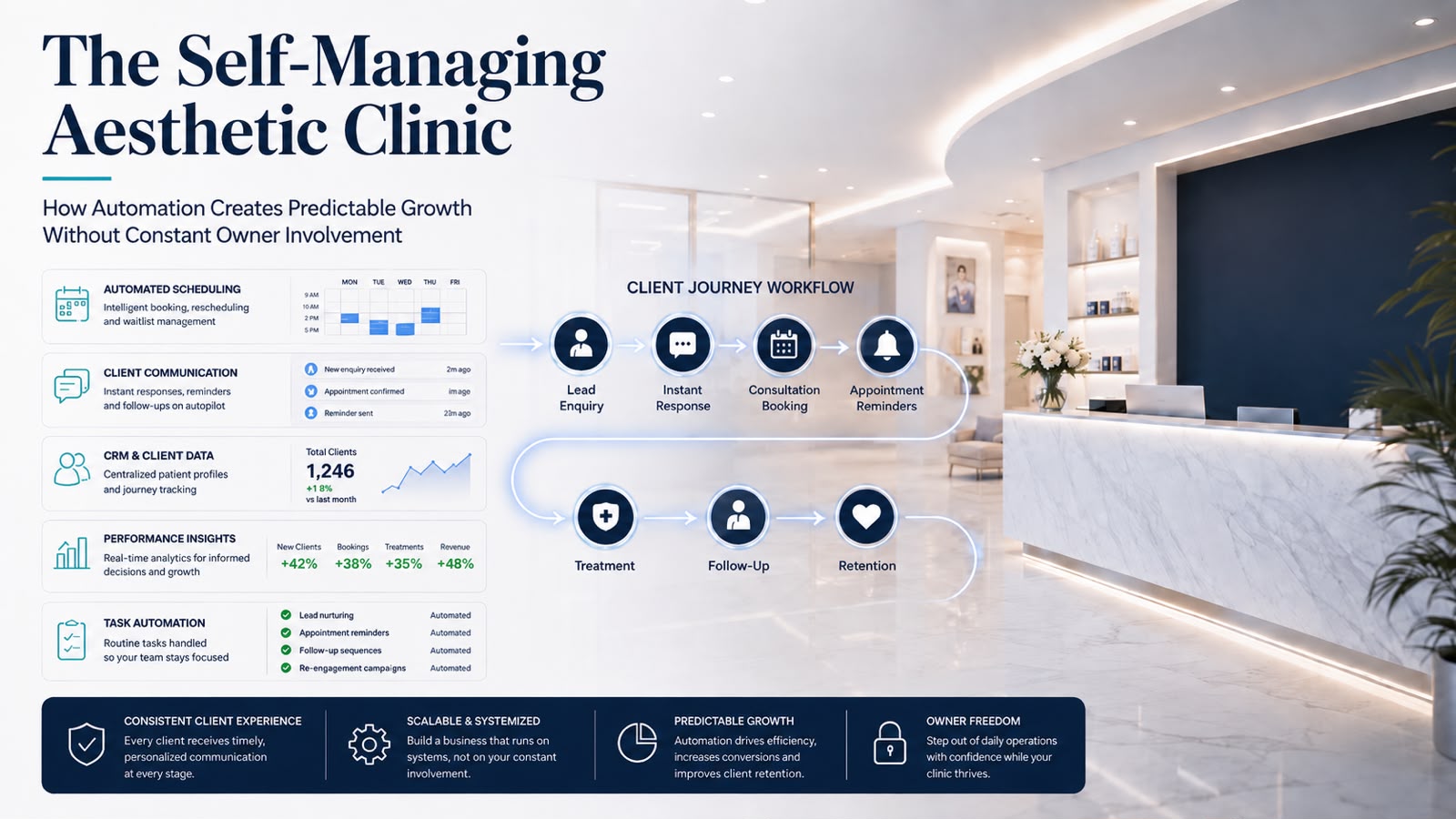
AI automation is no longer reserved for big tech teams. If you run a business, agency, or startup, you can start small, automate repetitive work, and build systems that save time every week. Here is a practical way to begin.
1. Start with one painful workflow
Do not try to automate everything at once. Pick one process that wastes hours: lead follow-up, appointment reminders, client onboarding, reporting, or content drafting. The best first win is a task that is repetitive, rule-based, and easy to measure.
2. Map the steps before you add tools
Write down what happens today from trigger to completion. Who starts it? What data is needed? Where does it break? A clear map helps you choose the right AI tools and avoid automating a broken process.
3. Choose simple tools you can actually maintain
Begin with platforms that connect your CRM, email, forms, and messaging. Many teams start with workflow builders plus AI assistants for writing, summarizing, and classifying information. Complexity can come later. Reliability matters more than fancy features.
4. Add AI where judgment or content is needed
Use AI for drafting messages, qualifying leads, summarizing calls, creating first-pass reports, or tagging support requests. Keep humans in the loop for decisions that affect revenue, reputation, or compliance.
5. Measure time saved and error reduction
Track how long the process took before and after automation. Also watch response speed, conversion rate, and mistakes. If the numbers improve, expand the system. If not, refine prompts, triggers, and handoffs.
6. Build a repeatable automation habit
Once your first workflow works, document it. Then pick the next bottleneck. Over time you create an automation stack that supports sales, operations, and customer experience without constant founder involvement.
Your AI automation journey does not start with a perfect tech stack. It starts with one clear problem, one reliable workflow, and a commitment to improve it every week.